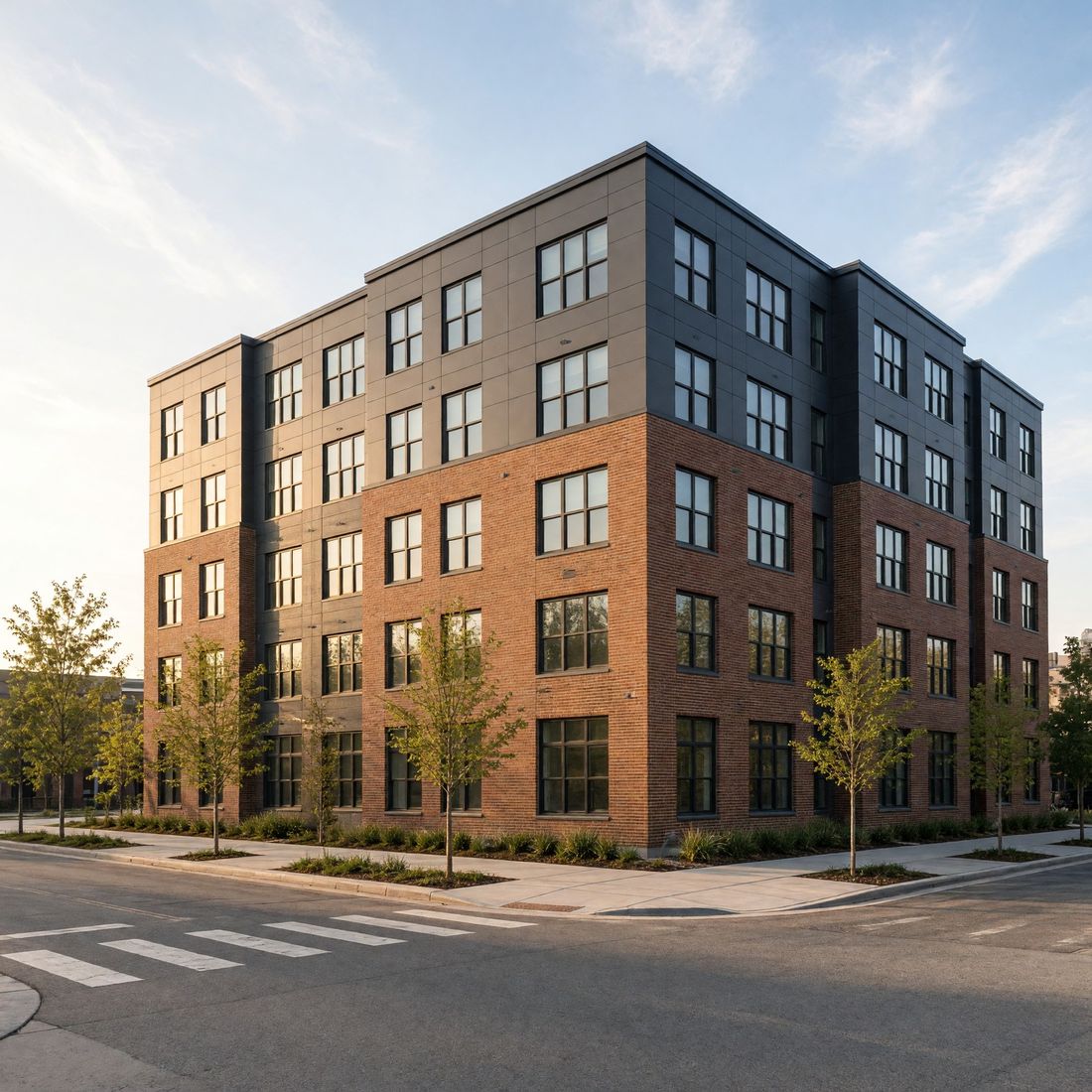
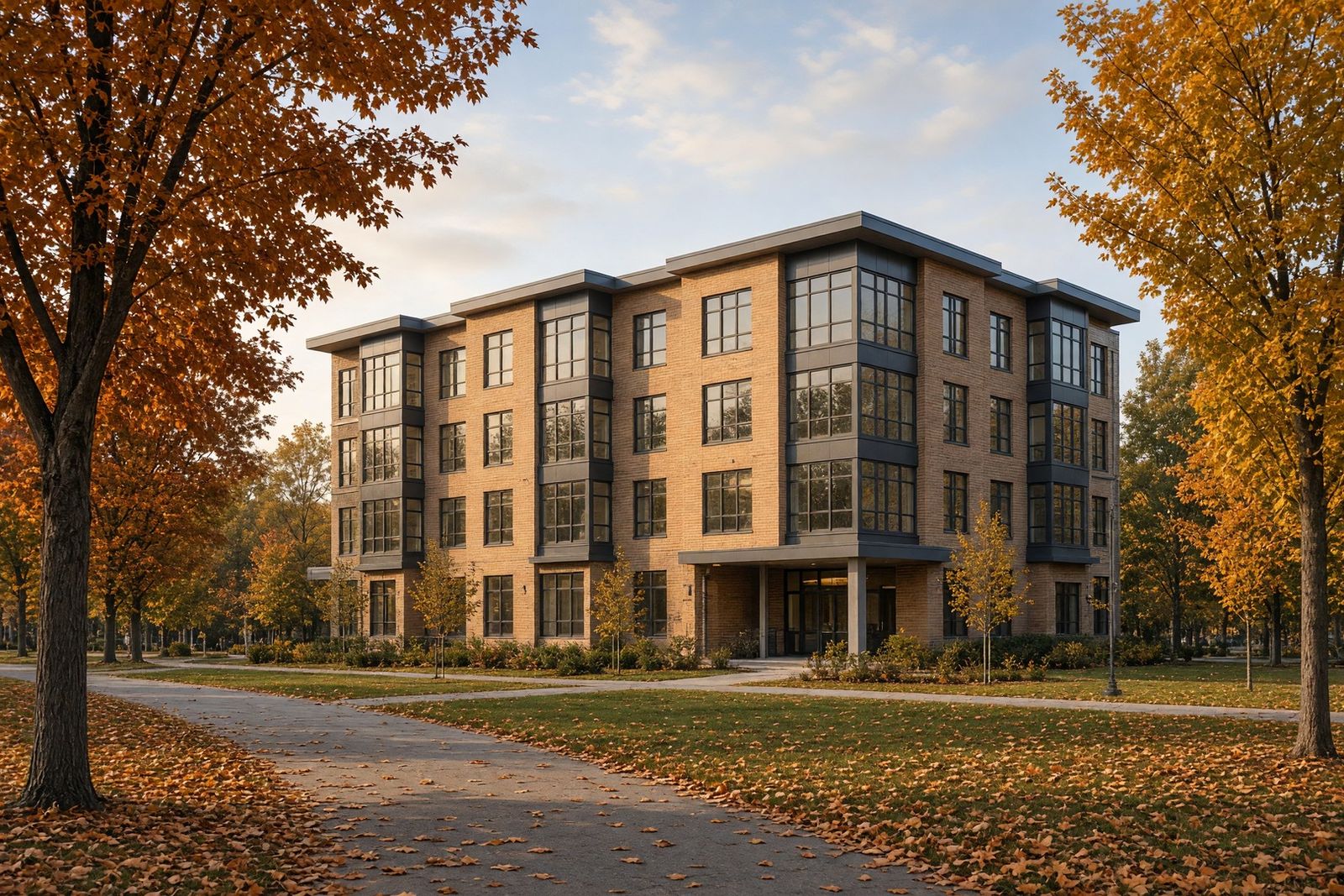
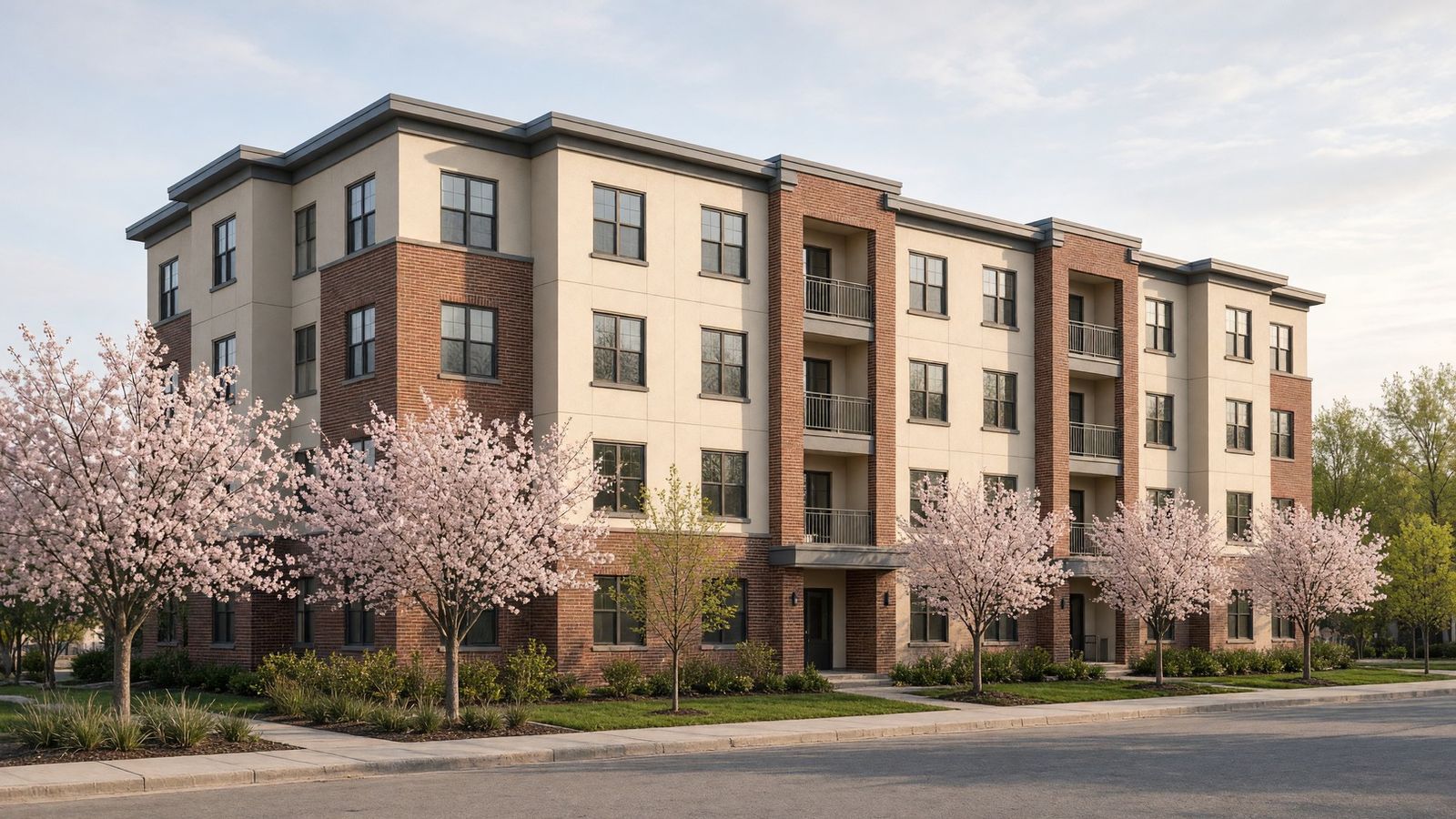
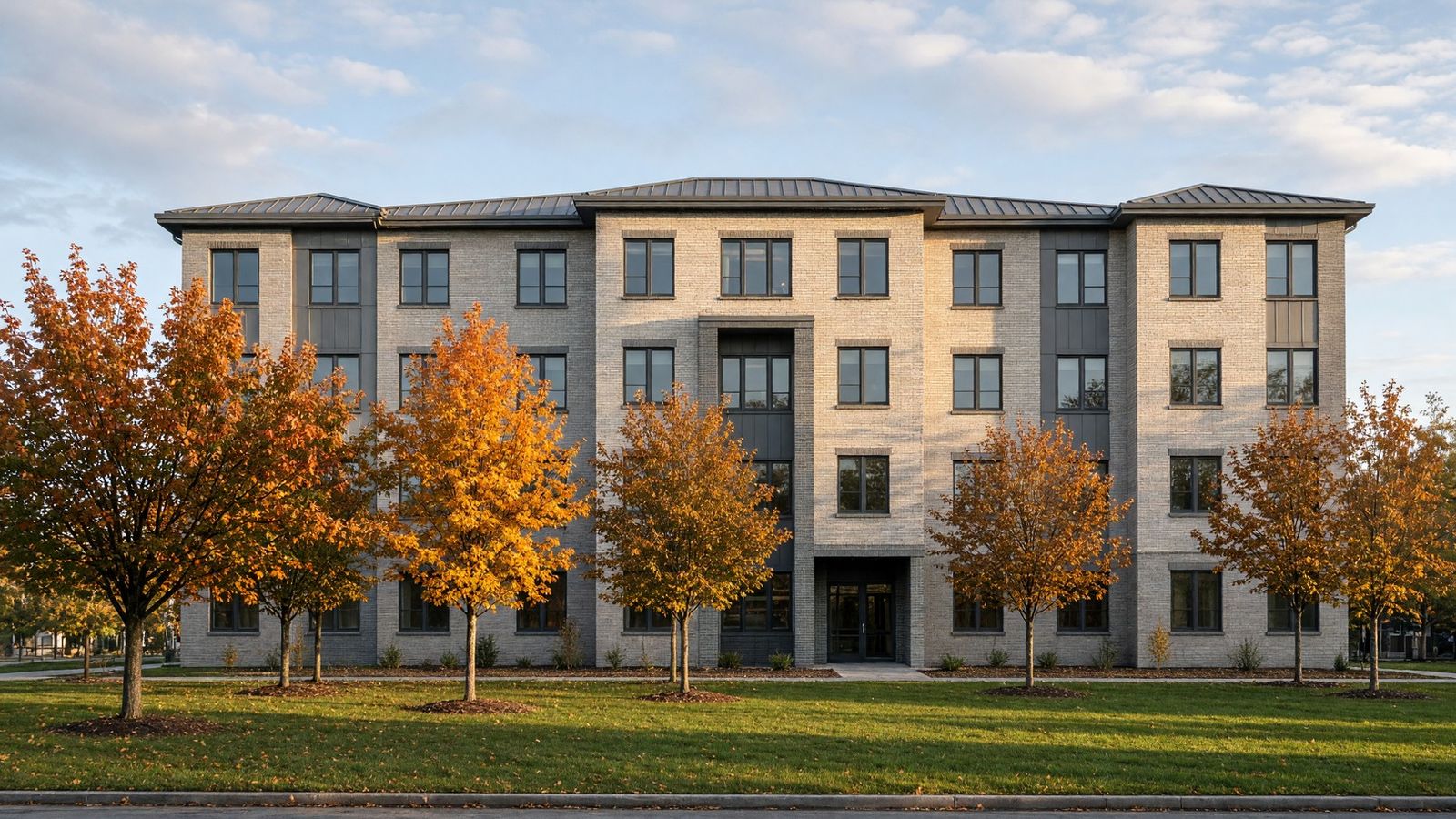
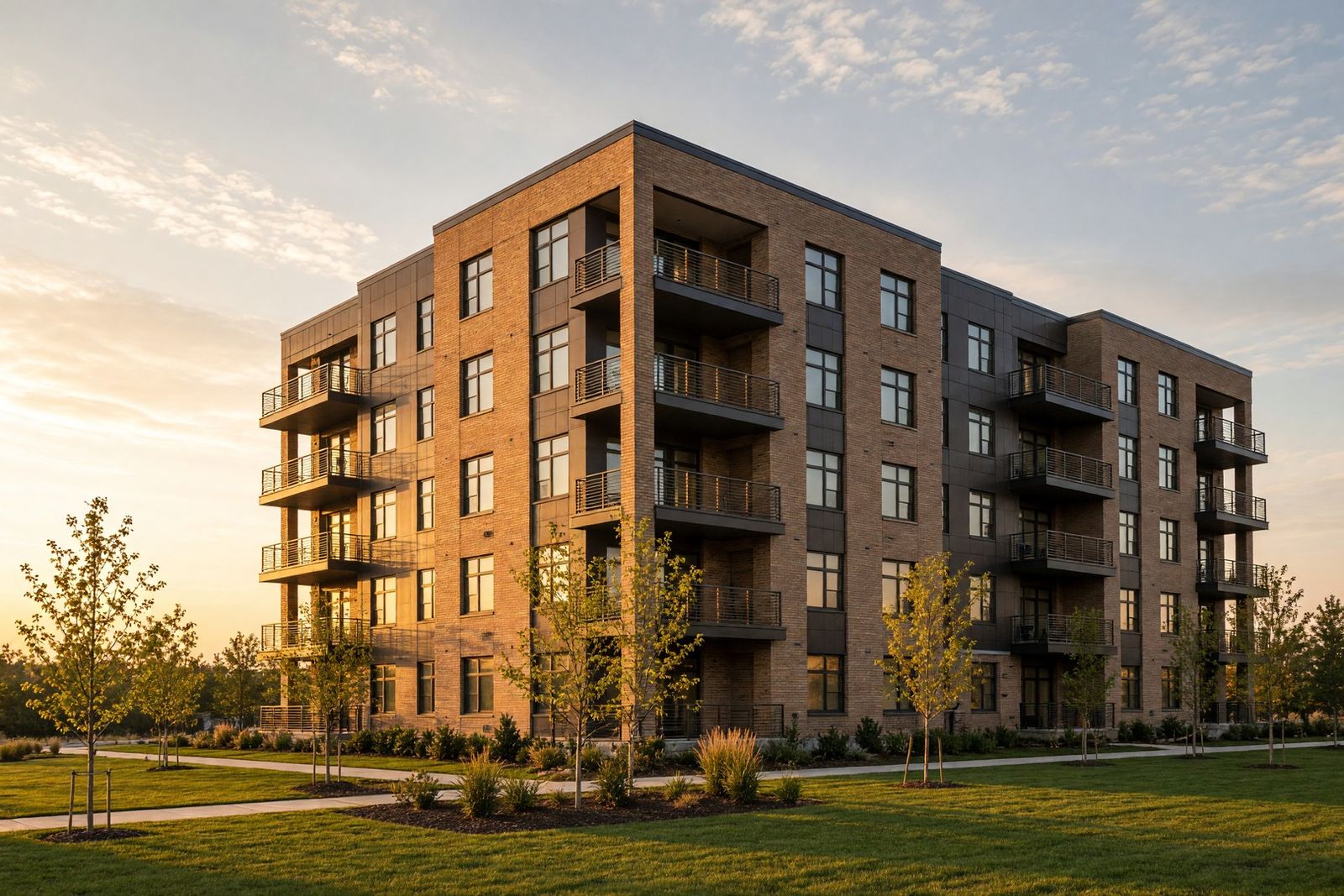
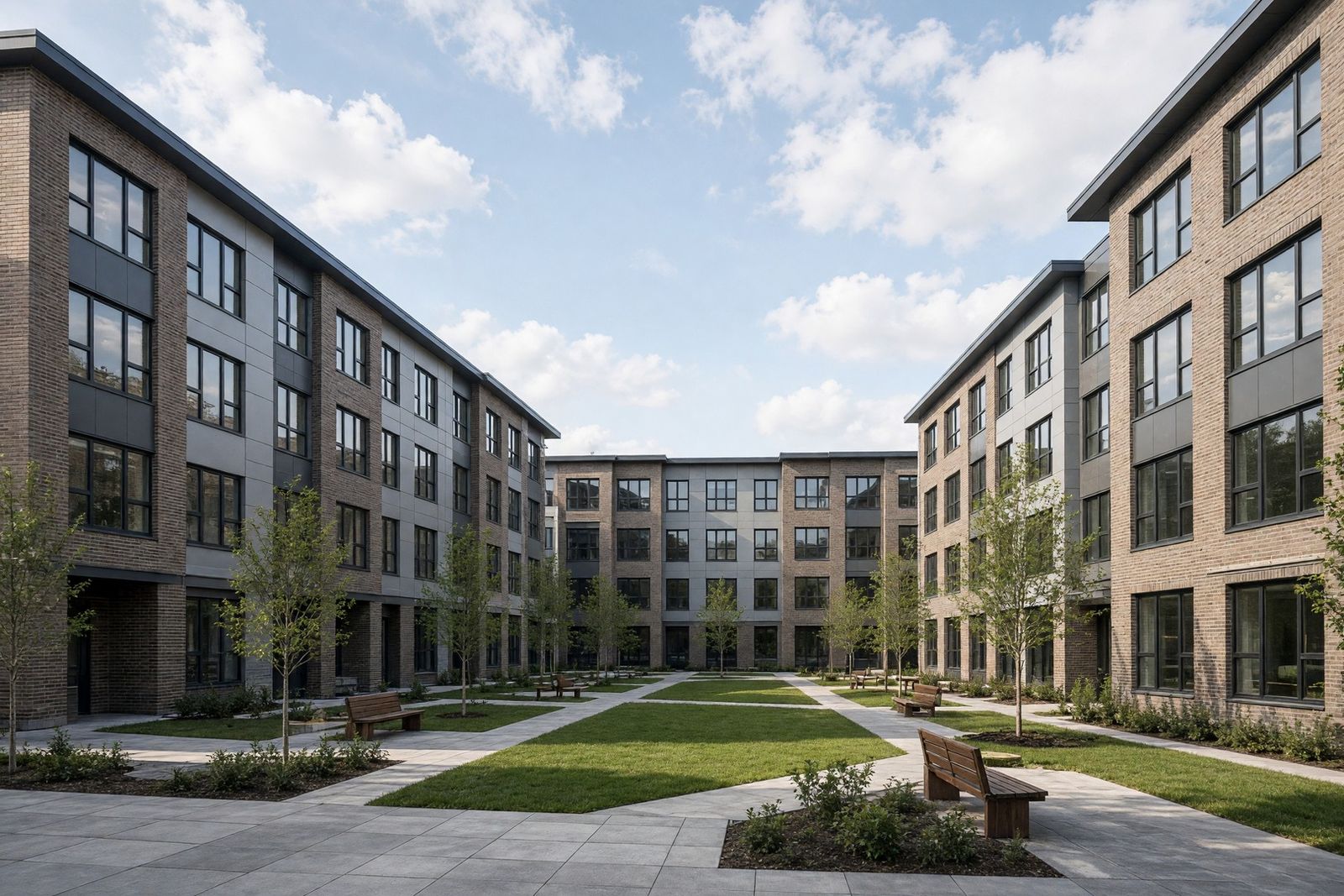
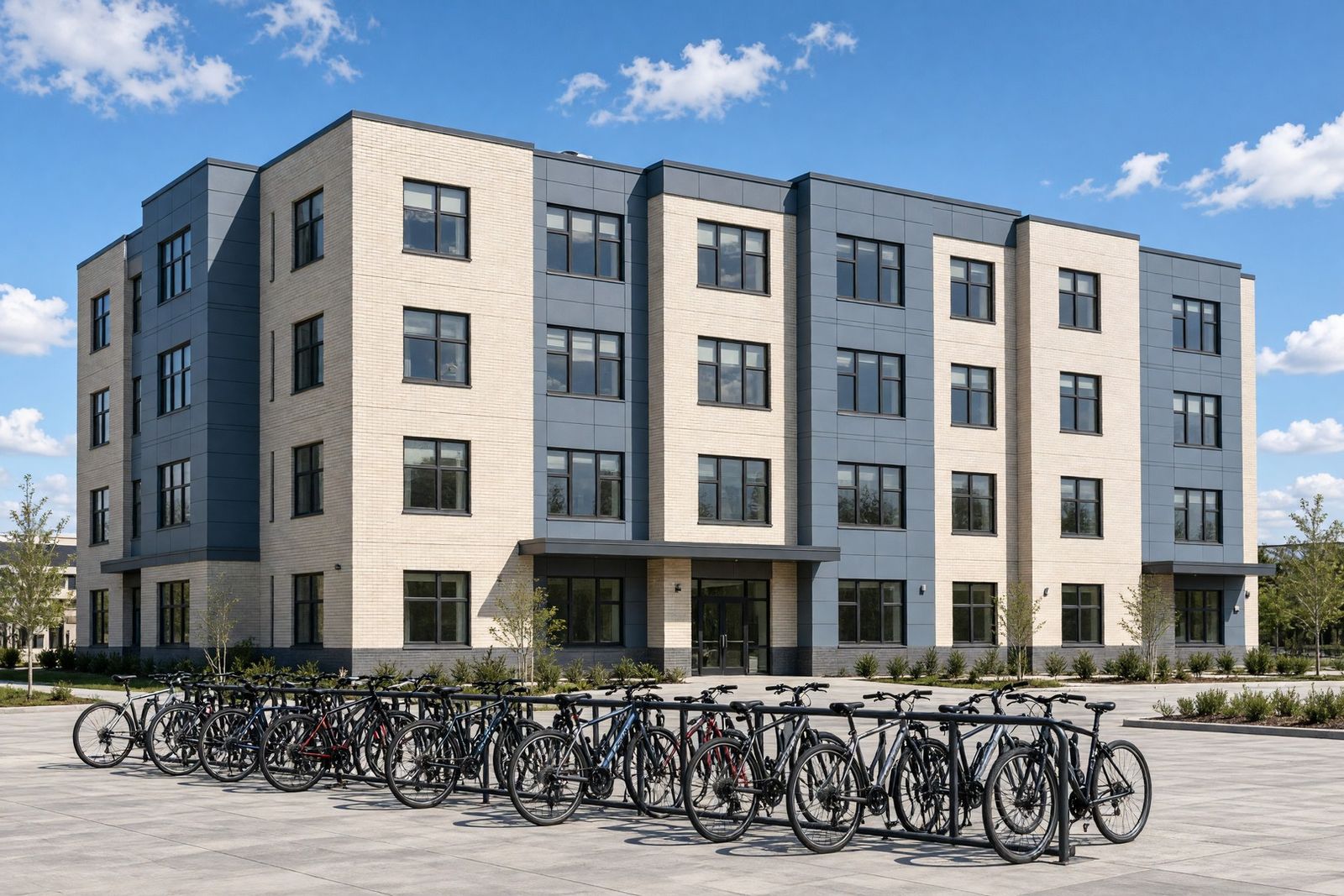
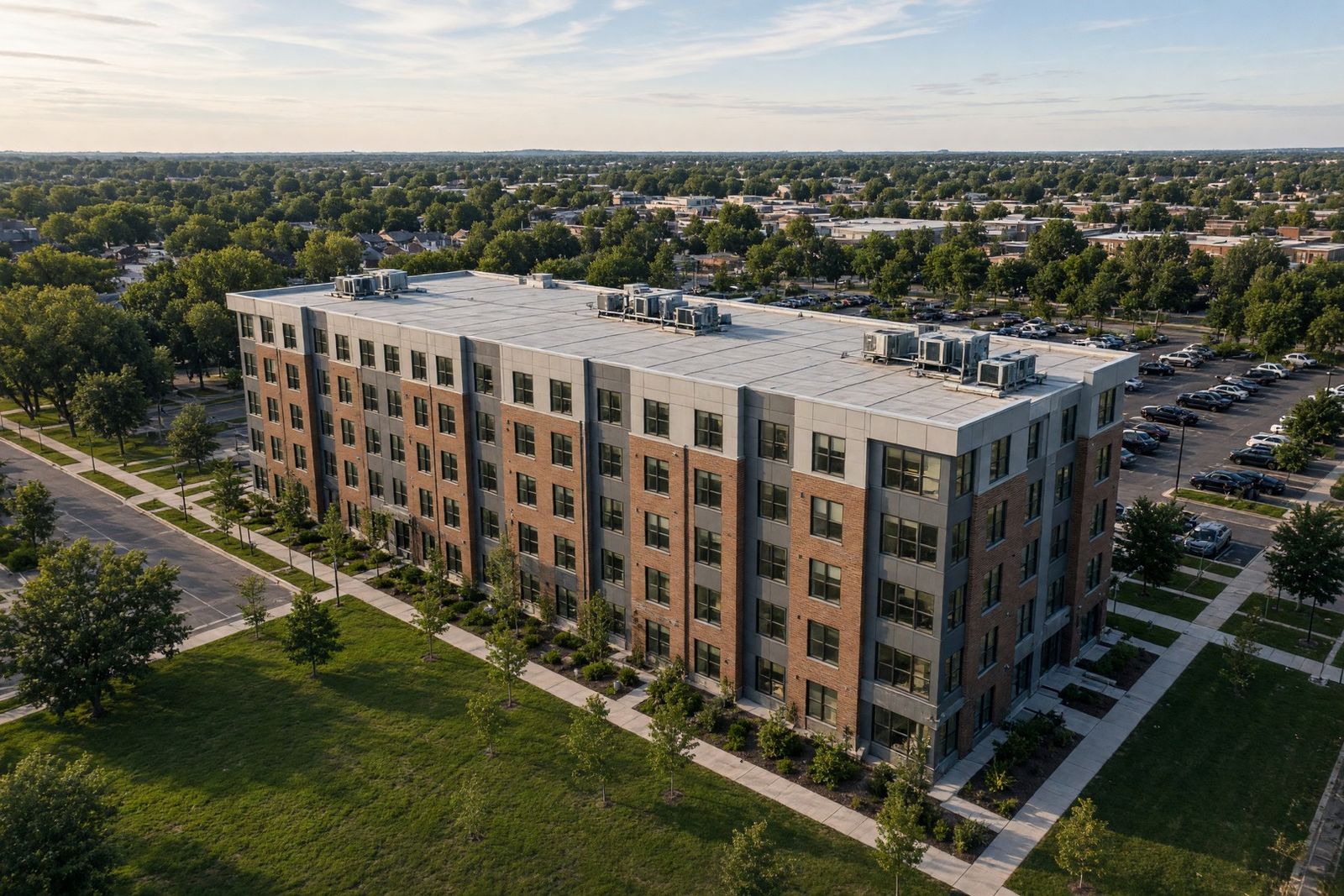
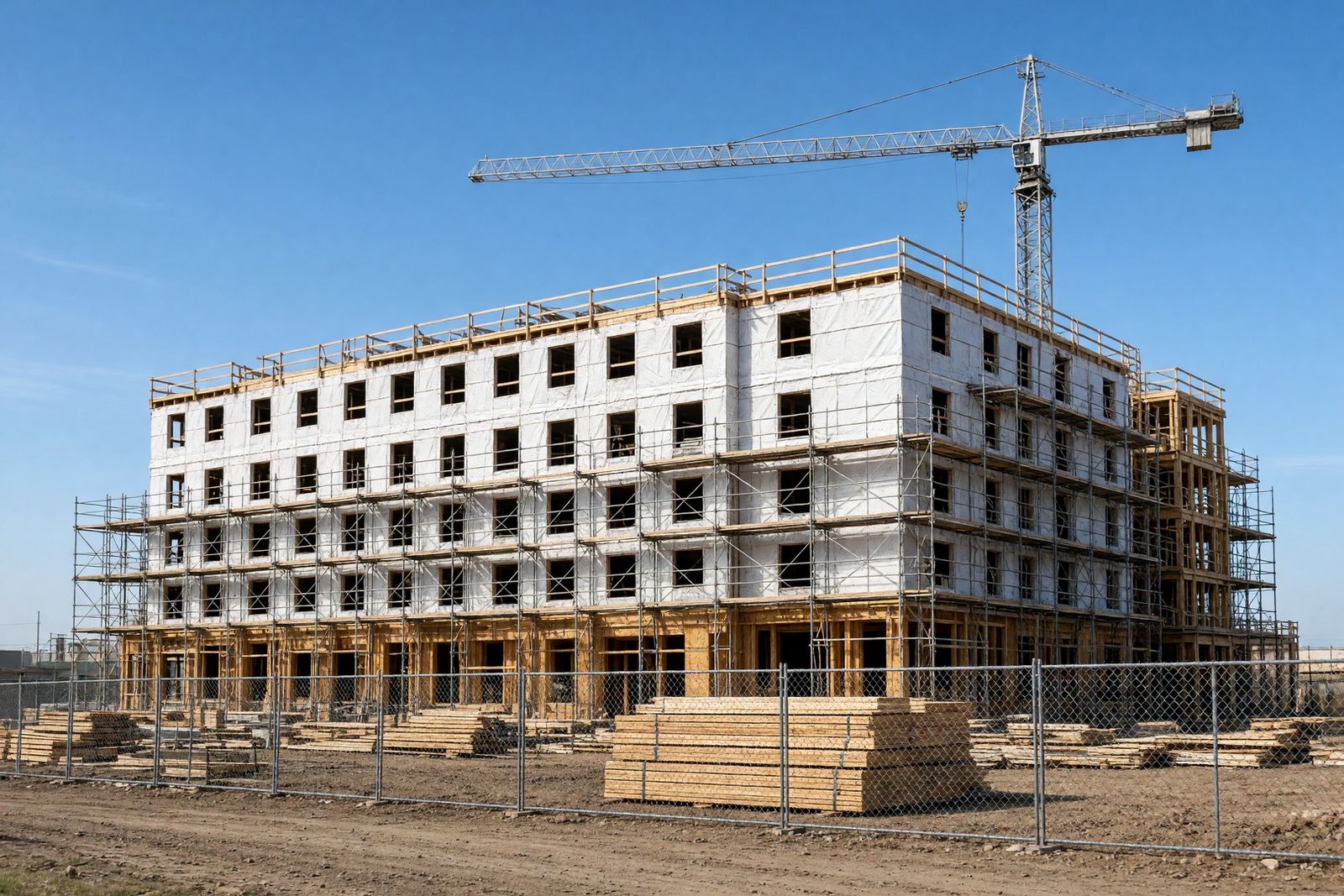
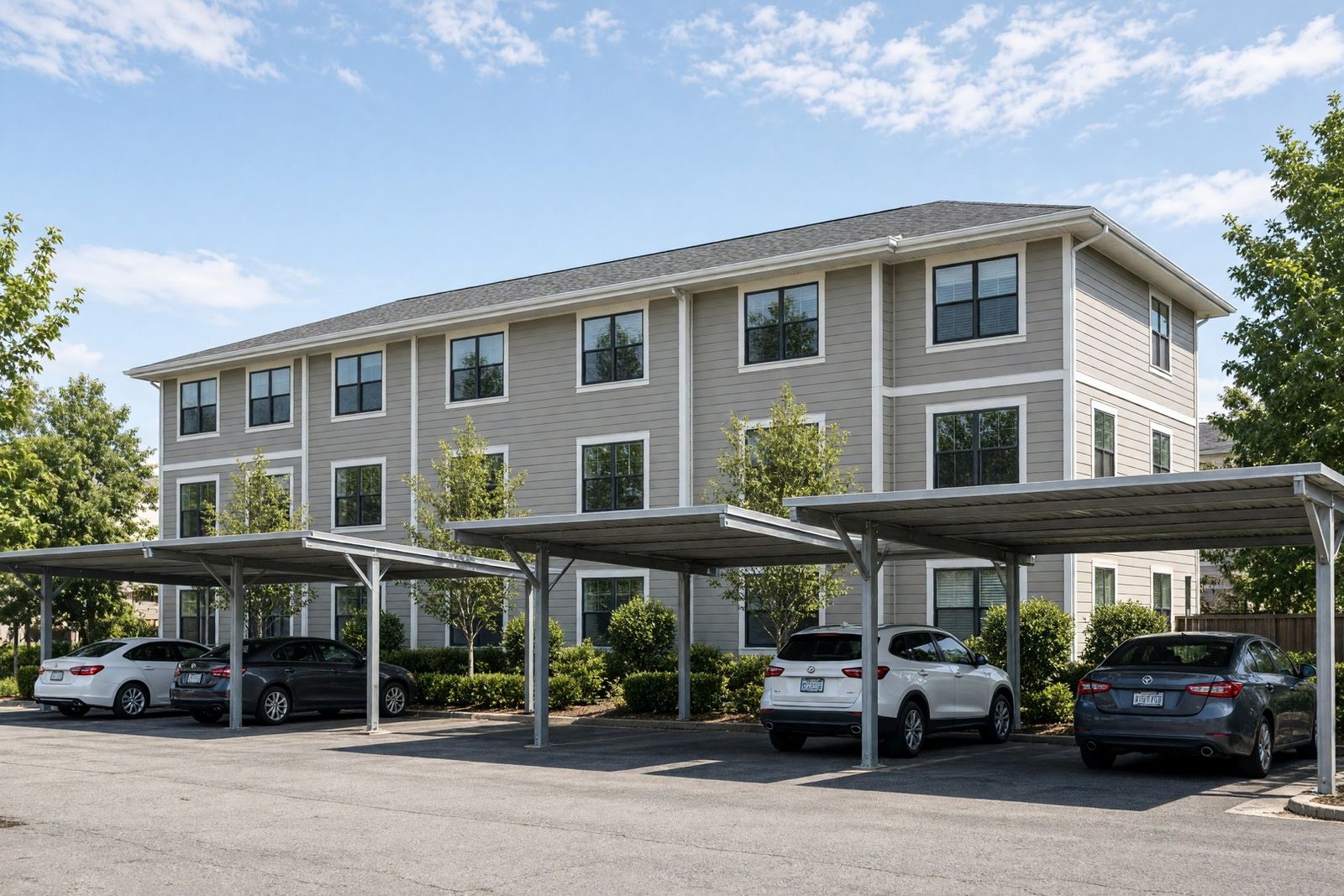
Illustrative image. The fund has not yet acquired any property.
What to do with a capital gain.
A capital gain invested in a qualified opportunity fund within 180 days may be deferred. The fund puts that money into student housing and apartments it intends to locate in qualified opportunity zones. The benefits apply to money invested after December 31, 2026.
The first benefit: deferral.
The deferred gain is recognized at a sale of your interest or the fifth anniversary of the investment, whichever comes first. The tax is postponed, not forgiven, so plan for the bill. The benefits apply to money invested after December 31, 2026.
The second benefit: a basis step-up.
So a smaller share of that original profit is taxed when the bill comes due. It applies to gains you invest in the fund, not to ordinary cash. The benefits apply to money invested after December 31, 2026.
The third benefit: the exclusion.
That exclusion is only for investors who put in a qualifying capital gain. The General Partner intends to hold the fund's investments at least that long. The benefits apply to money invested after December 31, 2026.
A window that opens at your sale.
Miss that window and the deferral is gone for that sale. The fund is taking interest now for investments made from January 1, 2027.
Opportunity zones, version 2.0.
The updated benefits cover capital gain money that goes into a qualified fund after December 31, 2026. Money invested before then should expect little or no deferral benefit. The fund was formed for the new program.
How the benefits stack.
First, the tax on the gain is deferred for up to five years. Second, at five years your basis steps up by 10% of the deferred gain. Third, after ten years the appreciation on your interest may be excluded. The benefits apply to money invested after December 31, 2026.
Capital gain money only.
Only money invested from a capital gain is eligible for the opportunity zone tax benefits. Ordinary cash can go in, but it receives none of them. The fund was designed around investors with a gain to place.
Projected returns in plain terms.
It targets student housing and apartments, including ground-up developments. It is built for investors putting a capital gain to work. The benefits apply to money invested after December 31, 2026.
How the preferred return works.
After that and the return of investor capital, remaining distributable cash is split 50/50 with the General Partner. A preferred return is a priority, not a promise. The fund takes capital gain investments from January 1, 2027.
Cash flow while you hold.
The fund anticipates a 7.5% annual cash distribution, paid monthly. Part of the idea is to help investors cover the tax on their deferred capital gain when it comes due. The fund holds no investments yet, so that figure is a plan.
A plan for year five.
The fund's cash flow and refinancing proceeds are intended to help cover it. Neither is assured, and an early refinancing payout can itself trigger the deferred gain. It is worth walking through with your tax advisor.
Refinance, then keep holding.
The fund intends to return 100% of investors' initial capital through refinancings within the first five years. That is not assured: the offering documents say not to rely on it, and it can be delayed to protect your tax position. It is designed for a capital gain you can leave invested.
A long hold, on purpose.
Ten years is deliberate: it is what lets a capital gain investor qualify for the exclusion on appreciation. It also means your money is illiquid, and the fund has no fixed term. Only invest what you can leave alone.
A development site in the plan.
The sponsor already holds land, or an option on land, for it. The fund intends to locate 100% of its properties in qualified opportunity zones, and the General Partner cannot assure that every target site will qualify. It is built for investors placing a capital gain from January 1, 2027.
A second development site.
The sponsor's focus is student housing and apartments, and it already holds land, or an option on land, there. The fund holds no investments today, so this is a target, not a holding. It is meant for a capital gain you can commit for ten years.
Value-add, not new construction.
In Indianapolis the plan is to buy existing apartment buildings, renovate them, and raise the income. The fund holds no investments today, so this is a target, not a holding. The fund is for investors with a capital gain to invest.
A fourth target market.
The approach matches Indianapolis: renovate existing apartments instead of building from scratch. Target markets are plans, and the General Partner can change them. The tax benefits here are for capital gain money only.
Two kinds of project.
At least three ground-up developments, and stabilized properties with room to raise income. The fund intends to locate 100% of its properties in qualified opportunity zones. It is a blind pool today, built for investors deferring a capital gain.
Where the rent growth comes from.
The fund expects to add garages, carports, washers and dryers, and to rehabilitate units: flooring, cabinets, appliances, countertops and bathrooms. The aim is higher rents and lower expenses at the student housing and apartments it intends to buy. It is how the fund plans to grow a capital gain over ten years.
A capital gain has a clock.
A capital gain invested in a qualified opportunity fund within 180 days may be deferred. The new rules apply to money invested after December 31, 2026. The fund is built for that.
Defer, step up, exclude.
One: defer the tax for up to five years. Two: at five years, a 10% basis step-up. Three: after ten years, the appreciation on your interest may be excluded. It applies to gains invested after December 31, 2026.
Four places on the list.
Ground-up student housing at Sacramento State and at Idaho State. Value-add apartments in Indianapolis and in Columbus, Ohio. These are plans: the fund holds no investments yet. It is built for investors with a capital gain.
Four questions before you call.
Do you have a capital gain to invest? Can you invest it after December 31, 2026? Can you hold for ten years? Are you accredited? If so, the questions on this page take about 15 seconds.